- What is the purpose of my life?
- What am I here for?
- Am I on the correct path?
Many of us, including me, find ourselves seeking answers to life’s big questions – questions that often seem impossible to resolve. After finishing school, landing a job and achieving financial stability, some people feel content and fulfilled while others still feel lost. What makes our perspectives on life so different?
In my own search for meaning, I came across the concept of “Ikigai”. Ikigai is an ancient Japanese philosophy about life fulfilment which was also used as a title of a bestselling book: Ikigai: The Secret to a Long and Happy Life.
A Happy and Long Life in Japan
Okinawa is an island situated in the south of Japan and people on Okinawa have the highest average life expectancy in the world.
On average, in Okinawa, men live until 84 and women live until 90. These numbers are already impressive even by the standards of Japan. Not only are older Okinawans still living a physically and mentally active life, but also independently.
What seems to be secrets of life to us are actually quite intuitive to them. Apart from a healthy diet, a healthy lifestyle and a good subtropical climate, they have Ikigai.
What is Ikigai?
Ikigai is an ancient Japanese philosophy describing the feelings of joy and fulfilment when people pursue their passions. The concept has also been claimed to contributing to the happiness and longevity of the Japanese.
The term compounds two words and can be roughly translated in English as follows:
- “Iki” means life, be alive
- “Gai” means reason, value or be worthwhile Basically, Ikigai refers to reason to live or the purpose of living. Actually, Japanese people perceive Ikigai as a way to find joy and fulfilment in life while an interpretation taken by the West and the rest of the world focuses more on finding the right career path.

Discover Your Ikigai
According to the book, people can find their Ikigai by answering these following questions:
- What do I love?
- What am I good at?
- What does the world need?
- What can I get paid for?
The first question certainly is the most important one here. If what you love to do is what you are good at too, it becomes your “passion”.
If what you love to do is also what the world needs, it becomes your “mission”.
If what the world needs is also what you get paid for, it becomes your “vocation.”
If what you are good at is also what you get paid for, it becomes your “profession.”
Last but not least, if your four areas intersect, you have found your “Ikigai”. You have discovered the reason for living.
Ikigai Beyond Passion and Career
Honestly, discovering one’s Ikigai is subjective and can take years, or even a lifetime, as we must first objectively identify our passions and talents. Ultimately, the best advice comes from within.
I personally have been searching for “reason for living” for as far back as I remember. After learning the Japanese concept of Ikigai, I assume that the search somehow continues.
However, Ikigai as the secret of Japanese happiness and longevity actually goes well beyond passion and career matters. Self-care and mindfulness practice are equally important when it comes to living a happy and fulfilled life. Fortunately, I think I’ve scored high here.
Ikigai in Self-care Practice
Living a happy and fulfilled life contributes to better physical and mental fitness, and vice versa. There are 4 main areas of self-care practice claimed to highly contribute to Okinawans’ well-being.
1. Healthy Diet
- Eat a wide variety of foods and fill your stomach to only 80%
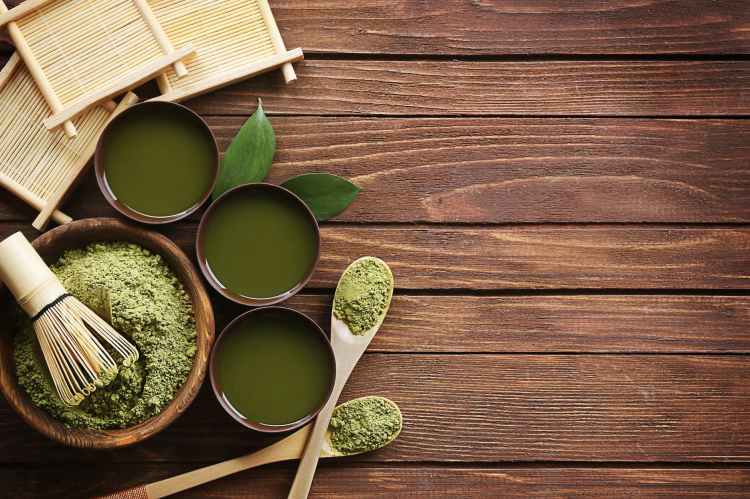
- Include foods that are high in antioxidant, including tofu, miso, avocado, green tea.
2. Daily Light Exercise
- Stay active
- Walking, gardening, small household chores
3. Social Interaction
- Spending time with family and loved ones, nurturing friendship
- Involve yourself in community activities
4. Decent Sleep
- 7 – 9 hours
- No stress or worry
Mindfulness Practice
Simply speaking, mindfulness means living fully in the present. In our noisy and fast-paced world, it’s important to learn to slow down and intentionally focus on the moment.
Take time to enjoy the moment. Take time to appreciate what is in front of you. Eat more slowly. Breathe more deeply. Be aware of your surroundings and spend more time with nature.
In relationships, be fully engaged in the presence of your loved ones so time spent together is not slipping away or gone forever.
The key here is to not get caught up in past pains or future worries. Your present moment is your present. It’s life itself.
In Essence
Everyone has an Ikigai hidden inside. It’s unique and personal to each of us, but it can also evolve over time. Some of you may have already found your Ikigai while others may need a little more time.
In my view, if we remove financial rewards from the equation, Ikigai can be found in anything – whether it’s your hobbies or relationships with family, friends, or your community.
As long as you wake up with a sense of joy and know that your actions make a positive impact to the world somehow, I think you’ve found your Ikigai.
A new day is always a new page in life. For those who are still in search, may today be the day you discover your own Ikigai.
All rights reserved. Used by Permission of DeepGamma.
 DeepGamma.
Leave a comment